Loading ...

Rebar Couplers

JB-13 GFRP RE- BARS

About Product
Next-Generation Reinforcement Solution for Corrosion-Resistant Concrete Structures

JB-13 GFRP Rebars represent the next generation of reinforcement technology used in civil engineering and infrastructure development. Unlike traditional steel reinforcement bars, Glass Fiber Reinforced Polymer rebars do not corrode, making them particularly suitable for harsh environments such as marine structures, coastal regions, chemical plants, and water treatment facilities.

These rebars are manufactured using continuous glass fibers bonded with high-performance polymer resins, resulting in reinforcement bars that are strong, lightweight, and highly durable.

WHAT IS A GFRP REBAR?

A GFRP Rebar (Glass Fiber Reinforced Polymer Rebar) is a composite reinforcement bar made from high-strength glass fibers embedded within a polymer matrix.

Marine & Coastal Structures

Ideal for projects exposed to saltwater environments where traditional steel reinforcement is susceptible to corrosion.

Chemical & Industrial Facilities

Highly resistant to acids, alkalis, and chemical exposure, making them suitable for industrial plants and chemical processing units.

Water Treatment Plants

Used in structures exposed to water, moisture, and aggressive chemicals.

Bridges & Transportation Infrastructure

Provides long-lasting reinforcement solutions for bridge decks, highways, and tunnels.

Electrical & Magnetic Sensitive Structures

Non-magnetic and non-conductive properties make them suitable for specialized construction environments.

Why choose us
WHY CHOOSE JB-13 GFRP REBARS
HIGH STRENGTH & LOAD CAPACITY

GFRP rebars provide excellent tensile strength, making them suitable for demanding structural applications.

CORROSION RESISTANCE

Unlike steel reinforcement, GFRP rebars are highly resistant to corrosion, even in coastal or high-moisture environments.

LIGHTWEIGHT & EASY TRANSPORT

Being significantly lighter than steel reinforcement, GFRP rebars reduce transportation and handling costs.

FASTER INSTALLATION

Lightweight construction materials enable faster site installation and reduce labor requirements.

NON-METALLIC COMPOSITION

The non-metallic structure ensures no corrosion, no electrochemical reactions, and improved durability.

APPLICATIONS OF JB-13 GFRP REBARS
JB-13 GFRP reinforcement bars are widely used in:

Bridge deck reinforcement

Marine and coastal construction

Water treatment plants

Tunnel and underground structures

Industrial and chemical plants

Road and highway infrastructure

Hydropower and dam projects

Precast concrete structures

Types of JB Self-Drilling Anchors

JB Self-Drilling Anchors are available in R Thread and T Thread systems with diameter ranges from 11 mm to 111 mm and ultimate load capacity up to 14,230 kN depending on type. Engineered for high tensile strength, superior yield performance, and full compatibility with grouting systems, our anchor bars, couplers, nuts, plates, and drill bits are designed for heavy-duty ground support, tunneling, mining, slope stabilization, and infrastructure projects.

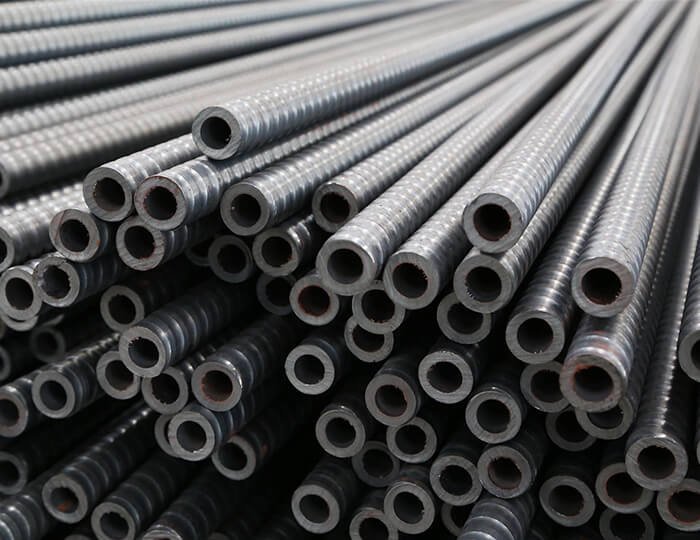
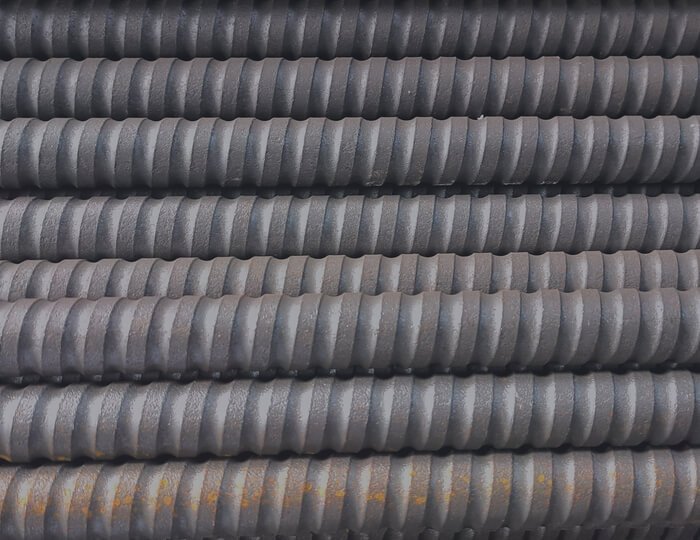
R THREAD SELF-DRILLING ANCHOR BARS
T THREAD SELF-DRILLING ANCHOR BARS
QUALITY AND MANUFACTURING STANDARDS

JB Engineering manufactures advanced reinforcement materials using modern production techniques and strict quality control processes to ensure reliable structural performance.


Quality standards include:

These standards ensure that JB-13 GFRP Rebars deliver consistent performance in demanding structural environments.

Frequently Asked Questions
01. What are GFRP rebars used for?

GFRP rebars are used as corrosion-resistant reinforcement in concrete structures, particularly in marine, chemical, and infrastructure applications.

GFRP rebars typically offer higher tensile strength than steel, while being significantly lighter in weight.

No. GFRP rebars are non-corrosive, making them ideal for structures exposed to water, salt, and chemicals.

Yes. They are widely used in coastal structures, bridges, and marine infrastructure because of their corrosion resistance.

Common sizes range from 8 mm to 36 mm diameter, depending on structural requirements.